Pack Light, Eat Well: Frugal Camp Cooking for One-Night Escapes
Tonight we dive into frugal camp cooking for one-night escapes—packable menus and tips designed to travel light, cook fast, and taste amazing. Learn how to stretch dollars, conserve fuel, and still celebrate a warm meal under the stars with clever gear choices and multipurpose ingredients.

Plan Once, Feast Twice: A One-Night Menu That Multitasks

The 10-Minute Trailhead Dinner

Bring water to a boil, pour it over instant couscous, and let it sit in a cozy while you stretch. Stir in a foil pouch of tuna or chickpeas, a glug of olive oil, and lemon pepper. Add dehydrated vegetables for crunch and color. You’ll get a hot, comforting meal in minutes, using minimal fuel and costing just a few dollars per person.

Next-Morning Speed Breakfast from Last Night’s Leftovers

Save a handful of couscous and rehydrate it with hot water alongside quick oats in the same pot. Fold in peanut butter, powdered milk, and dried fruit for energy that lasts. This approach saves fuel, packs impressive calories, and transforms simple pantry items into a warm breakfast you can eat while the light grows and birds warm up the morning chorus.

Pack List Snapshot and Prep Timeline

Pre-measure dry goods into zip bags, label spice vials, and stash oil packets with napkins to prevent leaks. Assemble dinner and breakfast in two compact kits so you never dig around at dusk. Boil water first, eat while the pot cozy finishes cooking, and use that residual heat thoughtfully. A simple sequence turns camp cooking into a confident, relaxed ritual.

Ingredients That Pull Double Duty and Stretch Your Budget

Choose foods that multitask without refrigeration: tortillas wrap dinner, then cradle breakfast. Oats thicken savory stews and build sweet porridge. Olive oil boosts calories and flavor everywhere. When every item earns its place twice, you’ll trim pack weight, reduce cost, and still keep meals bright, varied, and surprisingly satisfying after a long day outside.

Fuel, Fire, and Minimal Gear: Cooking Efficiently Without Bulk
Stove Choices for a Single Night

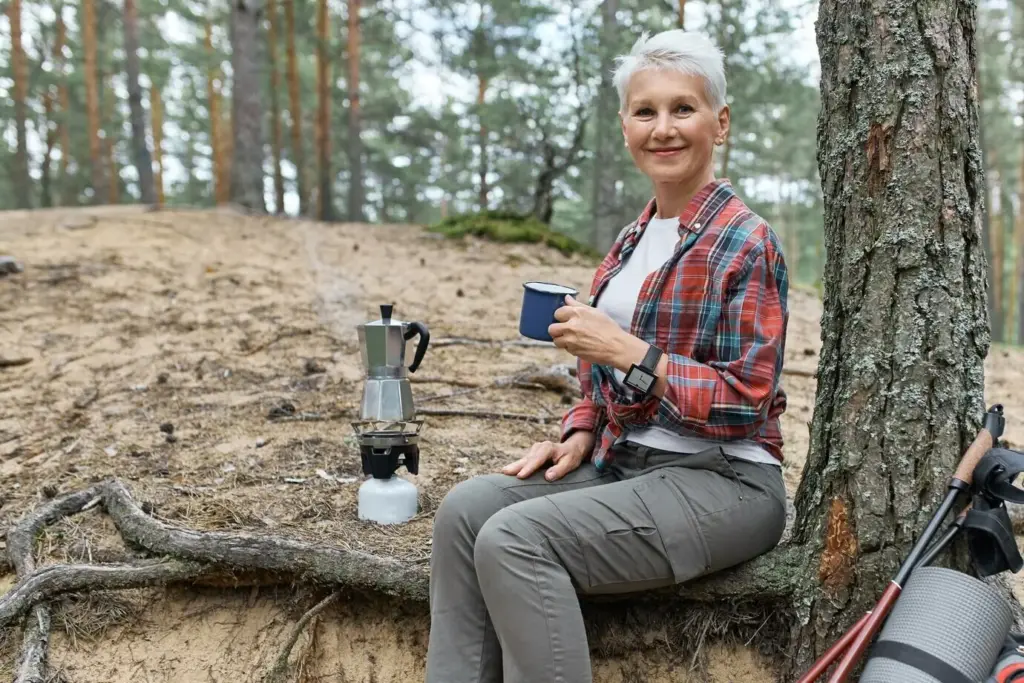
A compact canister stove offers plug-and-play reliability and excellent boil times. Alcohol stoves are ultralight and cheap, but mind open-flame restrictions. Twig stoves burn found fuel where allowed, though they demand dry conditions and careful attention. Pick what fits forecast, terrain, and regulations. One night rewards simplicity, so favor stoves that ignite quickly and protect your patience and budget.

Windscreens, Lids, and the Magic of Heat Retention

Wind steals dollars by burning fuel without cooking food. A lightweight windscreen, tight-fitting lid, and improvised pot cozy reclaim that heat. Bring food to a boil, then slip the pot into an insulated sleeve to finish. This technique reduces sputtering flames, speeds dinner, and enables quieter camps where conversation, stars, and warmth outshine the hiss of wasted gas.

Safe Flame Practices in Changing Conditions

Cook on stable ground, several steps from the tent, and never inside a shelter. Clear debris, shelter the stove from gusts, and keep water at hand. Obey local fire bans and extinguish everything completely. Safety protects more than gear; it preserves landscapes, budgets, and morale, ensuring your quick escape ends with full bellies and stress-free pack-up at dawn.

No-Cooler Strategies and Food Safety on a Budget

For a one-night escape, a cooler often adds cost and bulk without real benefit. Choose foods safe at ambient temperatures, use reflective bubble wrap for quick insulation, and understand time limits for perishables. With strategic choices, you’ll maintain safety, avoid waste, and keep packs trim, even when temperatures seesaw between warm afternoons and crisp mountain nights.

Smarter Packing Order and DIY Insulation

Tuck delicate items inside your pot to protect them, wrap quick-spoil goods in a bandana with reflective bubble wrap, and pack them deep in the bag close to clothing layers. Keep sun off food mid-hike. Small choices like shade breaks, insulated sleeves, and dark sacks minimize temperature swings and help simple ingredients arrive ready for safe, easy cooking.

The Four-Hour Window and What That Means Outdoors

If you bring mildly perishable items, know the general guideline: limit time in the danger zone. Hard cheeses, cured meats, and stable condiments perform better than dairy-heavy sauces. When in doubt, choose shelf-stable options and cook quickly after camp set-up. Knowledge, not a bulky cooler, keeps your meal safe, your budget intact, and your stomach smiling tomorrow.

Clean Hands, Clean Knife, Safe Meal

Pack a small sanitizer, a tiny soap dropper, and a quick-dry cloth. Wash or sanitize before slicing, dedicate one cloth to food only, and keep the knife clean between tasks. Treat water properly if you’ll drink or cook with it. Simple hygiene habits prevent ruined trips, save money on emergency fixes, and preserve the joy of a peaceful night.
The Tortilla Plate and Other Clever Hacks

Line your bowl with a tortilla before serving stews, then eat the liner to capture every last drop. Wipe pots with another piece of bread, leaving almost nothing to wash. Reuse snack bags for spice organization, and turn a silicone spatula into a scraper. These small practices reduce waste, water use, and time spent hunched over a chilly stream.

Micro-Mess Kit That Does It All

Carry a half-sized scrub pad, a thimble bottle of soap, a tiny dropper of oil, and a square of pack towel. A coffee filter doubles as a fine strainer and napkin. When every tool performs multiple jobs, you lighten your load, avoid impulse gear purchases, and still achieve clean cookware that is ready to pack without drips or grit.

Stories, Swaps, and Simple Joys Around the Flame
A Quick Anecdote from a Windy Ridge Camp
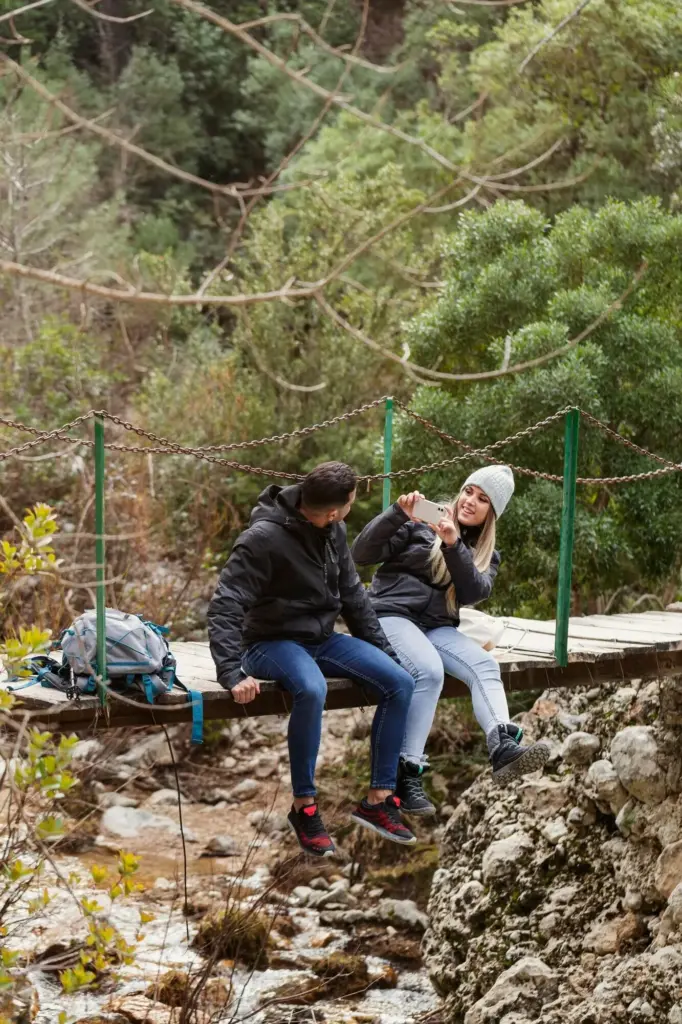
On a gusty ridge, the stove sputtered until a small windscreen and pot cozy took over. Couscous finished itself while the sky went lavender. A stranger wandered by, lured by chili and garlic scents, and traded stories for chili flakes. That simple, inexpensive bowl felt like celebration, proof that frugal food can anchor community wherever the trail briefly gathers us.

Your Turn: Share a One-Bag Menu Under Ten Dollars

Post your best overnight plan using shelf-stable ingredients, with total cost under ten dollars. Include weight, fuel used, and time to cook, plus any tricks for insulation or cleanup. Photos welcome. We’ll highlight reader meals that shine on value, nutrition, and flavor, inspiring more spontaneous getaways that fit real budgets and real backpacks without sacrificing warmth or joy.

Subscribe for Seasonal Packs and Trail-Tested Experiments

Get quarterly packable menus tailored to changing weather, plus fuel tests, cold-soak experiments, and minimalist gear tweaks that save money without stealing comfort. Expect honest results, quick shopping lists, and friendly reminders to chase a sunset dinner soon. Join in, reply with questions, and help shape future guides by voting on ingredients you want tested next.
Zunapavitifavetilife
Privacy Overview

This website uses cookies so that we can provide you with the best user experience possible. Cookie information is stored in your browser and performs functions such as recognising you when you return to our website and helping our team to understand which sections of the website you find most interesting and useful.