Shoestring Weekend Micro-Adventures: Big Joy, Tiny Budget


Draw a Three-Hour Radius

Find Weather Windows and Backup Paths
Pack Light, Pay Less
Move Clever, Spend Less on Transport
Ride Off-Peak for Breathing Room
Travel just after rush hour or mid-morning Saturday when carriages are calmer and seats are plentiful. Off-peak tickets often cost less, connections are gentler, and you’ll step off ready to explore rather than decompress. Use transit apps to flag disruptions and platform changes, protecting your wallet and your energy before the day even starts unfolding delightfully.
Unlock Last-Mile Freedom with Bikes
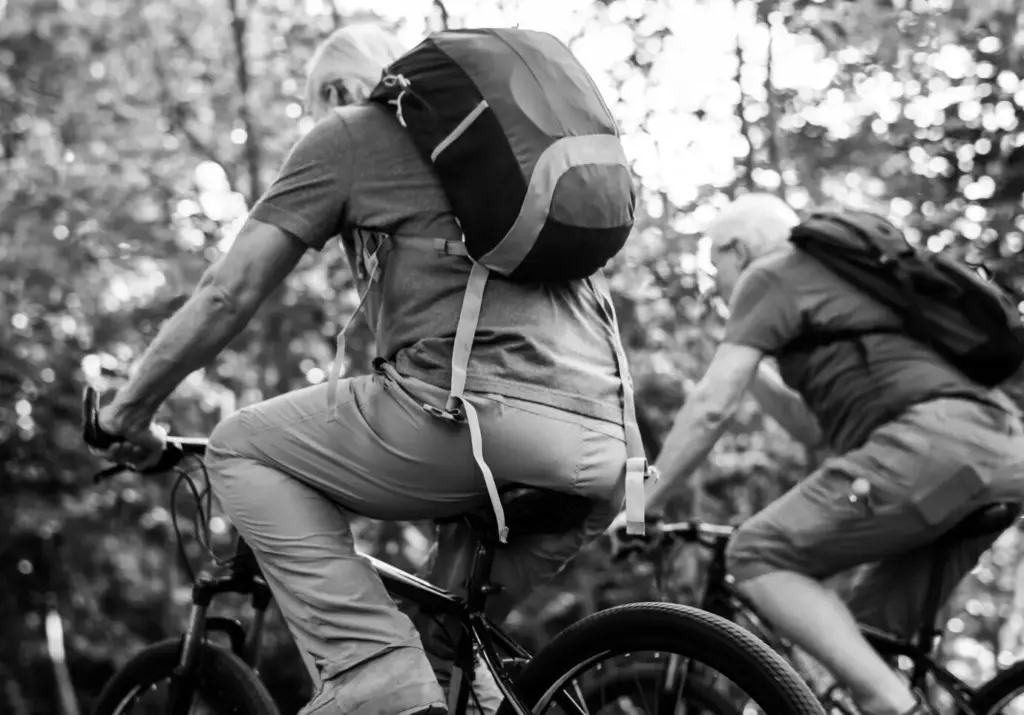
Combine rail with shared bikes for a nimble, budget-friendly last mile. Foldable options dodge rental fees, while city programs often offer low-cost thirty-minute windows. A bike bridges awkward gaps, opens waterfront promenades, and turns detours into scenery, helping you fit more landscape into fewer hours without resorting to expensive rideshares for short, easily pedaled connections.
Micro-Experiences That Fit Between Friday and Monday

Urban Night Walk with a Skyline Twist
Sunrise Water Moments on a Budget
Backyard or Balcony Campout Reset
Safety First, Respect Always
Micro-Risk Checklist You Can Remember
Before you go, confirm route length, daylight hours, weather shifts, water availability, and transit return times. Pack a minimal first-aid kit and reflective item, plus an extra snack. Decide bailout points on your map. These tiny steps transform uncertainty into calm, helping you adapt with confidence when trails dead-end, batteries fade, or sudden showers roll through unexpectedly.
Signals, Check-Ins, and Solo Wisdom
Text someone your start time, planned route, and return window, then update if plans change. Use a simple code word for help. Keep phone power by limiting background apps and turning on airplane mode outside coverage. Embrace solo outings thoughtfully: stick to known paths, trust instincts, and choose lively areas at night so independence remains grounded and enjoyable.
Leave No Trace on a Lean Budget
Pack out everything, even tiny orange peels and bread crumbs that alter wildlife habits. Stick to established paths, respect quiet hours, and greet neighbors and park staff with warmth. Refill bottles to reduce plastic, and reuse bags to manage trash. Minimalism supports stewardship, proving frugality and care can walk together without compromising comfort or the landscapes you love.
Capture, Reflect, and Share